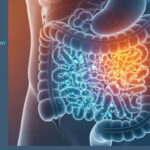
How the Gut Influences Mood: Gut-Brain Axis Explained + Signs of an Unhealthy Gut (Backed by Science)
Introduction
Welcome to Healthtokk, your trusted home for evidence-based health insights.
Today, we explore one of the most fascinating and misunderstood relationships in the human body — the connection between your gut and your mind.
For years, scientists have called the gut our “second brain,” and modern research shows just how true that is. Your gut communicates directly with your brain through the gut-brain axis, influencing your mood, emotions, and even your mental health.
But before we understand how this powerful connection works, it’s important to know the Signs of an Unhealthy Gut — because this is where it all begins. Poor gut health can silently disrupt your digestion, energy, mood, and focus long before obvious symptoms appear.
At Healthtokk, we’ve been building a series to help you master gut wellness step by step:
-
The Ultimate Guide to Gut Health (Healthtokk) – our foundation article explaining how the gut microbiome works.
-
Signs of an Unhealthy Gut & How to Spot Them Quickly (Backed by Science) – the previous article that highlights early warning signs.
This current article connects the dots between gut health and your emotional well-being — explaining how your mood, focus, and happiness depend on your digestive system.
What Is the Gut-Brain Axis?
The gut-brain axis is the two-way communication network between your digestive system and your brain. It involves biochemical signaling between the gastrointestinal tract and the central nervous system, using pathways like:
-
The Vagus Nerve: The main highway connecting gut and brain.
-
The Immune System: Gut microbes send immune signals that influence brain function.
-
Neurotransmitters: Your gut produces serotonin, dopamine, and GABA — chemicals that regulate mood.
-
Metabolites: Gut bacteria create short-chain fatty acids (SCFAs) that nourish your brain.
When your gut microbiome is balanced, these pathways work smoothly. But when it’s imbalanced (a state called dysbiosis), your mood, energy, and focus take a hit — clear Signs of an Unhealthy Gut.
The Science Behind Gut Health and Mental Well-being
The gut is often called the “second brain” because it contains nearly 500 million neurons and produces up to 95% of the body’s serotonin.
Studies from Harvard Health and Nature Microbiology (2024) show that a healthy gut microbiome improves emotional resilience and reduces symptoms of depression and anxiety.
The emerging field of psychobiotics studies how probiotics can help improve mental health by restoring the gut-brain connection. These findings prove that when you heal your gut, you also heal your mood.
The Major Signs of an Unhealthy Gut
Recognizing early Signs of an Unhealthy Gut is the first step toward feeling better mentally and physically.
| Gut Symptom | What It Means for Your Mood |
|---|---|
| Frequent bloating and gas | Imbalanced bacteria cause inflammation and brain fog. |
| Constipation or diarrhea | Disrupted bowel rhythm interferes with serotonin signaling. |
| Persistent fatigue | Poor nutrient absorption lowers energy and motivation. |
| Mood swings and anxiety | Gut imbalance disrupts neurotransmitters like serotonin. |
| Sugar cravings | Bad bacteria feed on sugar and worsen gut dysbiosis. |
| Skin breakouts | Internal toxins show up as acne or eczema. |
| Weight changes | Gut flora imbalance affects metabolism and hunger hormones. |
If these Signs of an Unhealthy Gut sound familiar, your body is signaling for a microbiome reset — a key step toward better mental clarity.
Key Neurotransmitters Made in the Gut
| Neurotransmitter | Role | Gut Connection |
|---|---|---|
| Serotonin | Happiness and emotional balance | 90% made in the gut |
| Dopamine | Motivation and pleasure | Influenced by microbial metabolites |
| GABA | Reduces anxiety | Stimulated by healthy bacteria |
| Acetylcholine | Learning and focus | Affected by gut inflammation |
When the microbiome is disrupted, these neurotransmitters fluctuate — leading to emotional instability. Restoring gut balance can stabilize your mental state naturally.
Diet & Lifestyle Tips for a Healthy Gut-Brain Axis
What you eat determines how your gut — and by extension, your mind — feels. Here’s how to strengthen the connection:
-
Eat Fermented Foods – Yogurt, kefir, kimchi, and sauerkraut provide live probiotics.
-
Add Prebiotic-Rich Foods – Garlic, onions, oats, and bananas feed good bacteria.
-
Avoid Processed Foods and Sugar – They feed harmful microbes and worsen inflammation.
-
Stay Hydrated – Water helps regulate digestion and transport nutrients.
-
Manage Stress – Chronic stress weakens gut lining and triggers dysbiosis.
-
Prioritize Sleep – Rest repairs your microbiome and balances hormones.
Each of these habits helps eliminate the Signs of an Unhealthy Gut and improves the gut-brain communication loop.
Probiotics That Support Mood and Gut Health
Some probiotics are proven to directly influence mood, memory, and calmness through the gut-brain axis.
| Probiotic Strain | Main Benefit | Best Found In | Trusted Supplement |
|---|---|---|---|
| Lactobacillus rhamnosus GG | Reduces anxiety | Yogurt, kefir | Culturelle Daily Probiotic |
| Bifidobacterium longum 1714 | Improves focus | Fermented dairy | MindLab Mood Formula |
| L. helveticus R0052 + B. longum R0175 | Reduces depression symptoms | Supplements | ProbioMood |
| Lactobacillus plantarum PS128 | Boosts dopamine | Fermented veggies | NeuroBiotics Mood Support |
💡 You can find these on Amazon or iHerb. Always choose clinically verified supplements and check reviews.
Where to Buy Gut-Brain Support Products (Trusted Global Links)
| Product | Type | Benefit | Where to Buy |
|---|---|---|---|
| Culturelle Daily Probiotic | Supplement | Balances gut flora | Amazon.com |
| Garden of Life Mood+ Probiotic | Supplement | Supports emotional health | iHerb.com |
| Ancient Nutrition SBO Probiotic | Supplement | Reduces stress, supports immunity | Amazon.com |
| Dr. Ohhira’s Probiotics | Supplement | Improves microbiome diversity | iHerb.com |
| GT’s Kombucha | Beverage | Adds natural probiotics | Whole Foods |
Note: Always consult your healthcare provider before starting new supplements.
Is Your Gut-Brain Axis Out of Sync?
You might need gut-brain support if you often feel:
-
Moody or anxious
-
Mentally foggy
-
Constantly tired
-
Bloated or constipated
-
Low motivation
These are not random — they’re Signs of an Unhealthy Gut disrupting your nervous system.
The Gut-Brain Axis and Mental Health Disorders
Studies now show that poor gut health may contribute to:
-
Depression: Low serotonin from poor gut diversity.
-
Anxiety: High cortisol caused by dysbiosis.
-
ADHD: Altered gut-brain signaling.
-
Cognitive decline: Inflammation from leaky gut.
The exciting news is that restoring gut health through diet and probiotics has shown measurable improvements in mood, memory, and focus.
Related Healthtokk Articles in This Gut Health Cluster
Explore more from the Healthtokk Gut Health Series to continue building your understanding:
-
Signs of an Unhealthy Gut & How to Spot Them Quickly (Backed by Science)
-
Foods That Support a Healthy Gut-Brain Connection (Next in Cluster)
Each article in this series is interconnected to help you rebuild your digestive and mental wellness naturally.
Final Thoughts from Healthtokk
Your gut does more than digest food — it shapes your thoughts, emotions, and energy levels.
Understanding and responding to the Signs of an Unhealthy Gut is one of the smartest moves you can make for your health.
By feeding your microbiome the right foods, managing stress, and adding the right probiotics, you’ll notice better digestion, a calmer mood, and sharper focus.
At Healthtokk, we believe wellness begins in the gut — because when your gut is happy, your mind follows.
Stay tuned for the next article in this cluster:
“Foods That Support a Healthy Gut-Brain Connection (Backed by Science)”
This post is for informational purposes only and does not constitute medical advice. Always consult with a qualified health professional. Contact us for more details.