Table of Contents
ToggleBariatric Surgery: A Complete Guide to Weight Loss Options
Introduction
If struggling with weight loss has been a long, frustrating journey, bariatric surgery offers powerful, medically backed options for those who need more than diet and exercise. Bariatric surgery is a set of surgical procedures designed to help people with severe obesity lose weight by altering the stomach and digestive system. This complete guide covers everything about bariatric surgery in 2026—from the latest techniques, benefits, risks, and recovery, to highly recommended support products like those from Healthtokk, Marginseye, and Amazon to maximize your success. Whether considering surgery yourself or helping a loved one, this guide addresses your key questions and equips you with trusted resources. [bariatric surgery 2026 guide]
Before diving deep into surgery, we also recommend checking out our main resource on Obesity Management which explores lifestyle, medical, and preventive strategies in detail.
What is Bariatric Surgery?
Bariatric surgery refers to medical procedures that alter the digestive system to promote weight loss. Doctors usually recommend it when the BMI scale indicates obesity (BMI ≥ 40 or ≥ 35 with health concerns) and when lifestyle changes like diet and exercise haven’t worked.
According to the World Health Organization (WHO), obesity is one of the leading preventable diseases worldwide, and bariatric surgery is a proven method of reducing associated risks such as diabetes, hypertension, and heart disease. WHO Obesity Facts.
Why Bariatric Surgery Matters in Obesity Management
Obesity isn’t just about body weight. It’s about how excess weight affects every system in your body—your heart, your lungs, your hormones, and even your confidence. Bariatric surgery matters because:
-
It helps people lose 50–80% of excess weight sustainably.
-
It can reverse type 2 diabetes in many patients.
-
It reduces blood pressure and cholesterol.
-
It helps improve fertility and mobility.
-
It extends life expectancy by up to 7 years (based on long-term studies).
Types of Bariatric Surgery
1. Gastric Bypass (Roux-en-Y)
-
Creates a small stomach pouch and bypasses part of the small intestine.
-
Average excess weight loss: 60–80%.
-
Strong effect on diabetes remission.
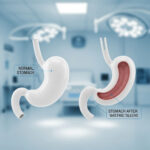
2. Gastric Sleeve (Sleeve Gastrectomy)
-
80% of the stomach is removed, reducing capacity and hunger hormones.
-
Effective and simpler than bypass.
-
Average excess weight loss: 50–70%.
3. Adjustable Gastric Band (Lap-Band)
-
Silicone band placed around the upper stomach.
-
Adjustable via saline injections.
-
Reversible but less common today.
4. Biliopancreatic Diversion with Duodenal Switch (BPD/DS)
-
Most complex but also most powerful for weight loss.
-
Requires strict long-term supplement and nutrition care.
5.Duodenal Switch
Combines sleeve with intestinal bypass, offering extensive malabsorption for high BMI patients. [Surgical Clinics]
6.Endoscopic Sleeve Gastroplasty and Robotic Surgery (2026 Trends)
Minimally invasive, no external incisions, faster recovery, and precise surgery with robotic assistance. [Dr. Ruben Luna][Bumrungrad Endoscopic]
How Bariatric Surgery Works: Mechanisms of Weight Loss
Bariatric surgery causes weight loss through stomach restriction, malabsorption, and hormonal changes that reduce appetite and improve metabolism (like insulin sensitivity). The gut hormone adjustments often resolve type 2 diabetes soon after surgery. [Obesity Canada CPG]
Benefits of Bariatric Surgery
-
Sustainable weight loss.
-
Remission of diabetes and metabolic conditions.
-
Improved sleep apnea, fertility, and energy levels.
-
Enhanced mental health and confidence.
-
Lower long-term healthcare costs.
Risks and Considerations
-
Surgical risks like bleeding or infection.
-
Nutritional deficiencies (B12, iron, calcium).
-
Gallstones from rapid weight loss.
-
Need for strict follow-up and supplements.
Risks, Side Effects, and Emotional Adjustments
Every surgery carries risks, including:
-
Nutritional deficiencies (requires lifelong vitamins)
-
Post-surgery complications (bleeding, infections)
-
Emotional struggles adjusting to lifestyle changes
This is why consultation with a bariatric doctor near you is critical.
Bariatric Surgery vs. Lifestyle Obesity Management
Surgery is powerful—but it’s not the first solution.
-
Lifestyle Management (exercise, diet, medical weight loss) can work for many people.
-
Bariatric Surgery is best for those who have tried everything and continue struggling.
For a complete overview of lifestyle strategies, see our main guide on Obesity Management.
Cost Comparison
-
United States: $15,000–$25,000.
-
Europe: €8,000–€15,000.
-
Mexico & India: $5,000–$10,000 (medical tourism hubs).
Insurance coverage varies—often requires documentation of failed non-surgical weight loss attempts.
Where to Get the Best Obesity Management Tools
Even if you’re not ready for surgery, you can still take control of obesity with smart tools. Here’s a direct list of where to get them:
| Product | Benefits | Where to Buy |
|---|---|---|
| Omron Digital BMI Calculator | Tracks BMI, body fat %, and daily progress. | Available on Amazon and select pharmacies. |
| Marginseye Weight Loss Bundle | Metabolism support supplements, appetite control. | Officially sold at Marginseye.com. |
| Resistance Bands Set | Helps build muscle and burn fat from home. | Available on Amazon and sporting goods stores. |
| Meal Prep Containers | Keeps portions in check for better diet control. | Affordable and widely available on Amazon. |
Pro tip: Always combine these tools with professional medical advice, especially if you’re preparing for or recovering from bariatric surgery.
Preparing for Bariatric Surgery
Candidates undergo rigorous health and mental evaluations, dietary counseling, and support planning to set achievable goals and prepare for lifestyle changes post-surgery. [The Surgical Clinics]
Post-Operative Care and Lifestyle Changes
Diet after surgery starts with liquids, advancing gradually to solids. Exercise boosts results. Mental health counseling and adherence to nutrient supplementation, especially from trusted suppliers like Healthtokk, are vital for success. [UR Medicine]
Long-Term Lifestyle After Bariatric Surgery
Success depends on:
-
Following a high-protein, nutrient-rich diet.
-
Taking prescribed vitamin/mineral supplements.
-
Regular exercise (walking, resistance training).
-
Monitoring progress with a BMI calculator.
-
Emotional support and counseling.
FAQs About Bariatric Surgery
Q1: What is the safest weight loss surgery?
-
Most surgeons recommend the gastric sleeve as effective and relatively safe.
Q2: Can weight loss surgery reverse diabetes?
-
Yes, especially gastric bypass. Many patients go into remission.
Q3: How long before I recover fully?
-
3–6 weeks for most surgeries.
Q4: Where can I get bariatric surgery?
-
Major hospitals worldwide. In the U.S., top centers include Mayo Clinic, Cleveland Clinic, and Johns Hopkins.
Q5: What if I can’t afford surgery yet?
-
Start with affordable tools: BMI calculators, resistance bands, and structured nutrition programs available on Amazon and Marginseye.
Conclusion
Bariatric surgery is one of the most effective interventions in the fight against obesity. It provides not only weight loss but also health restoration, better mobility, and a new chance at life. But surgery is not the end—it’s the beginning of a lifelong journey that requires discipline, support, and smart tools.
At Healthtokk, we believe your health journey should be informed, empowered, and supported by practical resources. Whether you’re considering surgery or starting with non-surgical tools, you can take the first step today.
Next Article
Next up on Healthtokk:
“Gastric Sleeve Surgery: What You Need to Know Before Choosing It.”
This post is for informational purposes only and does not constitute medical advice. Always consult with a qualified health professional. Contact us for more details.