Sage Benefits, Uses, and Health Effects | A Guide to the Aromatic Herb
Introduction: Why Sage Deserves a Place in Every Wellness Routine
Sage — a fragrant, evergreen herb — has long been cherished for both its culinary charm and healing powers. Known scientifically as Salvia officinalis, this plant is easily recognized by its soft green-gray leaves and purple-blue blooms. But beyond its beauty, sage is one of nature’s most powerful herbs — used for centuries to cleanse, heal, and nourish.
At Healthtokk, we explore herbs that not only enhance flavor but also improve health and wellness naturally. Sage stands out as a true symbol of wisdom and well-being.we spotlight sage for its blend of culinary delight, medicinal effects, and unique spiritual legacy, making it an essential addition to both kitchen and self-care rituals. In this comprehensive guide, you’ll discover what sage is, its top health benefits, how to use it, and why it’s revered worldwide for both flavor and wellness.
What Is Sage?
Sage is an evergreen shrub belonging to the mint family (Lamiaceae). It thrives in sunny Mediterranean regions, where its strong aroma and earthy flavor have made it a favorite among chefs and healers alike.
This herb has a warm, slightly peppery taste with hints of citrus and eucalyptus — perfect for savory dishes like meats, soups, and sauces. Whether fresh or dried, sage retains its unique flavor and therapeutic qualities.
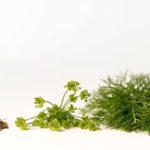
- Appearance: Evergreen, small blue/purple flowers, broad gray-green leaves
- Flavor: Earthy, slightly peppery, and robustly aromatic
- Traditional Use: Sage was historically burned to cleanse spaces in spiritual rituals, and its oil was prized for natural beauty treatments—used by elegant ladies to refresh their skin.
Sage thrives in sunny, well-drained areas—mirroring the Mediterranean climate—making it both a beautiful garden feature and a resilient home herb.
Ancient Uses and Cultural Significance
Throughout history, sage has been valued for its spiritual and medicinal power. In ancient civilizations, burning sage (a practice known as smudging) was used to cleanse spaces and ward off negative energy.
Ancient Romans believed sage symbolized longevity and wisdom, while Egyptians and Greeks used sage extracts for beauty and skincare — particularly to tighten and refresh the skin.
Even today, many cultures still use white sage in rituals for purification and mindfulness, blending tradition with modern wellness practices.
How to Grow and Source Sage
You can easily find fresh or dried sage in U.S. farmers’ markets, health stores, or online. However, growing it yourself provides fresher flavor and deeper satisfaction.
Growing Tips:
- Sunlight: Sage thrives in full sun — aim for at least 6–8 hours of light daily.
- Soil: Well-drained soil with a bit of sand or compost works best.
- Propagation: Sage can be grown from cuttings or seeds, but cuttings are faster since seeds may take nearly two years to mature.
- Watering: Avoid overwatering — sage prefers slightly dry conditions.
You can plant sage in garden beds, pots, or even windowsills. Once mature, trim regularly to encourage healthy growth and stronger aroma.
Procuring Fresh Sage
- Best found at farmers’ markets, specialty groceries, and organic stores.
- Growing at home? Start from cuttings for a quicker crop; seeds can take up to two years to mature.
Storing Sage
- Use fresh or dried.
- Dry sage by hanging small bundles upside down in an airy, shaded space.
- Store dried leaves in airtight containers; keeps flavor for up to a year.
Culinary Uses of Sage
Sage adds depth and aroma to countless recipes. It pairs especially well with:
- Chicken, turkey, or pork
- Stuffing, soups, and stews
- Butter and pasta sauces
- Potatoes and roasted vegetables
Try sage butter — melt butter, add fresh sage leaves, and drizzle it over cooked dishes for an earthy, nutty flavor. It’s also a natural salt substitute, perfect for reducing sodium intake while keeping meals flavorful.Both dried and fresh sage provide intense aroma and healthful compounds. Remember: a little goes a long way—sage’s flavor can quickly take over a dish
Health Benefits of Sage
Sage isn’t just for cooking — it’s a scientifically supported herb packed with antioxidants, essential oils, and bioactive compounds that promote health and longevity.
1. Improves Memory and Brain Health
Research suggests that sage extract and sage oil enhance cognitive function, protect against neurodegenerative diseases like Alzheimer’s, and improve memory and focus. Compounds in sage help preserve acetylcholine — a key neurotransmitter for learning.
2. Boosts Mood and Reduces Stress
Sage acts as a natural mood enhancer. Its aromatic compounds interact with receptors in the brain to reduce stress hormones and elevate mood, making it a valuable herb for managing anxiety and mild depression.
3. Supports Digestion
Traditionally, sage tea has been used to soothe indigestion, reduce intestinal cramps, and prevent bloating. It also promotes bile flow, aiding the digestive process.
4. Reduces Cholesterol Levels
Sage may help lower LDL (“bad”) cholesterol and improve HDL (“good”) cholesterol, supporting cardiovascular health — especially beneficial for older adults prone to high cholesterol.
5. Eases Menstrual Discomfort
Women have long turned to sage for menstrual relief. It may reduce cramps and help regulate hormonal imbalances. In small amounts, sage tea may also help reduce excessive milk production in lactating mothers — though care must be taken to avoid depriving infants of essential nutrition.
Possible Side Effects and Precautions
While sage offers powerful benefits, moderation is key. Some sage species (especially Salvia officinalis) contain thujone, a natural compound that can be toxic in high amounts.
⚠️ Avoid excessive use if:
- You’re pregnant or breastfeeding — thujone can reduce milk production and may be unsafe for the baby.
- You have liver issues or seizure disorders — high doses can trigger side effects.
Always consult your doctor before using sage supplements or essential oil therapeutically, especially if you’re on medication or have chronic health conditions.
FAQs about Sage Q: Can sage benefit mental health?
A: Yes, sage’s compounds can boost mood, reduce stress, and support cognition
Q: Is sage safe for daily use?
A: In culinary amounts, sage is safe and healthy, but avoid excessive medicinal consumption
Q: Can I grow sage at home?
A: Absolutely! Sage thrives in sunny gardens or pots. For tips, check Healthtokk’s gardening section.
Q: What are the side effects of consuming too much sage?
A: Excess may cause nervous system issues due to thujone. Always use sage in moderation—Healthtokk recommends small culinary doses.
Final Thoughts from H
Sage is more than just a flavorful herb — it’s a natural powerhouse that promotes mental clarity, emotional balance, and overall health. From ancient rituals to modern kitchens, sage remains a timeless remedy celebrated around the world.
At Healthtokk, we believe in rediscovering the healing potential of nature — one herb at a time. Whether you sip it as tea or use it to season your favorite dishes, sage proves that wisdom truly grows in the garden.
This article is for informational purposes only and should not substitute for professional health advice. Consult your health provider before making changes to your wellness regimen. Explore more on herbs and holistic health at Healthtokk.
This post is for informational purposes only and does not constitute medical advice. Always consult with a qualified health professional. We may earn a small commission from qualifying purchases at no extra cost to you. This supports our work to provide authoritative, science-backed health and travel guidance. See Disclaimer for more details.